
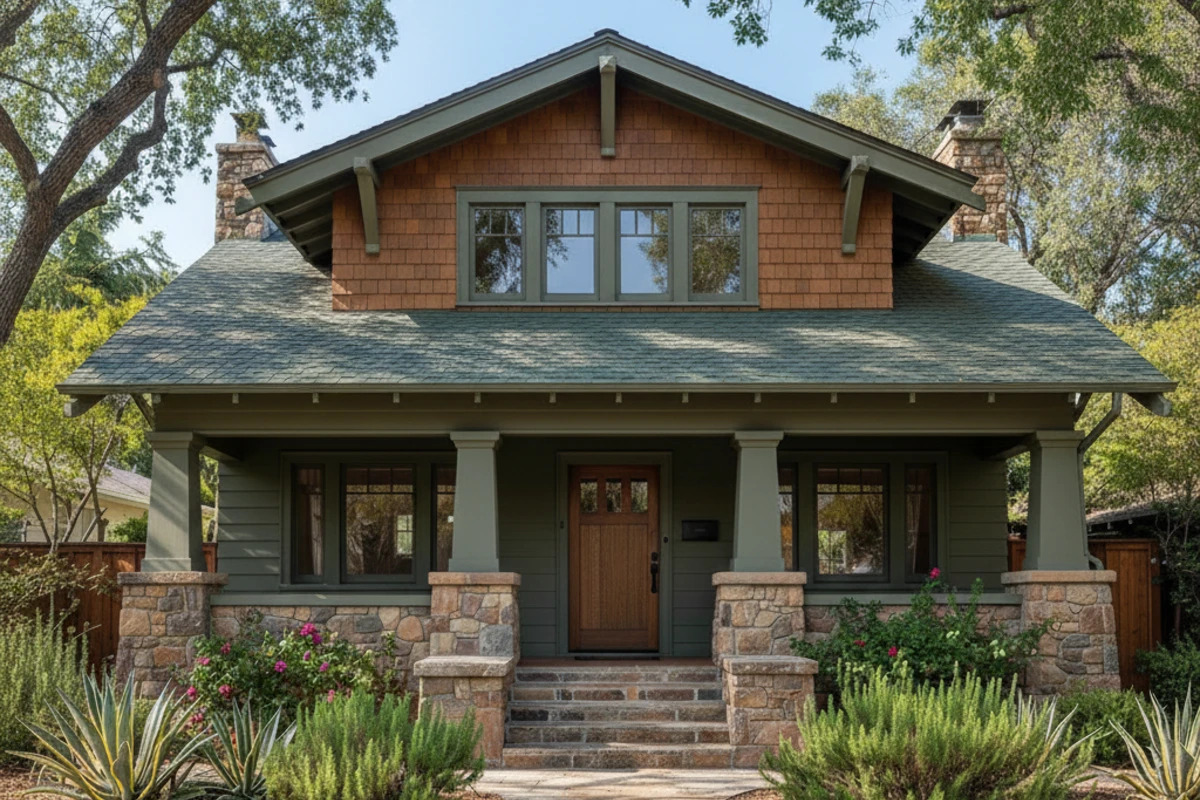
Historic homes in Montana have a lasting appeal that goes
far beyond nostalgia. From early frontier cabins to early 20th-century
craftsman homes, these properties continue to attract buyers, investors, and
preservation-minded homeowners. Their value isn’t just emotional—it’s
practical, architectural, and deeply tied to Montana’s identity.
Here are five key reasons these homes continue to hold their
value:
1. Timeless Craftsmanship You Can’t Easily Replace
Many historic homes in Montana were built during a time when
materials were sourced locally and construction was done with long-term
durability in mind. You’ll often find solid wood framing, hand-finished
details, original hardwood floors, and custom millwork that simply aren’t
replicated in modern construction without significant cost. That level of
craftsmanship naturally preserves value because it’s difficult—and expensive—to
recreate today.
2. Strong Architectural Character and Uniqueness
Unlike many newer subdivisions that can feel uniform,
historic homes each carry their own personality. Whether it’s a Victorian in
Helena or a rustic ranch home outside Livingston, these properties stand out
for their design and individuality. Buyers are often willing to pay a premium
for something with character, especially when it cannot be easily duplicated
elsewhere.
3. Desirable Locations Within Established Communities
Historic homes are often located in some of the most
walkable, established, and culturally rich areas of Montana towns. These
neighborhoods tend to be close to downtown districts, parks, schools, and
community hubs. Because land in these areas is limited, demand remains
steady—helping maintain long-term property value even when markets shift.
4. Limited Supply Creates Natural Demand
They simply aren’t making more historic homes. As
preservation efforts continue and zoning regulations evolve, the supply of true
historic properties remains limited. This scarcity supports long-term demand,
especially among buyers looking for authenticity, investment potential, or a
sense of Montana heritage in their home purchase.
5. Emotional and Historical Connection to Montana Living
Buying a historic home in Montana often means owning a piece
of the state’s story. Whether it’s tied to early ranching families, mining
towns, or frontier settlements, these homes carry a sense of place that newer
properties can’t replicate. That emotional connection adds intangible
value—something buyers consistently recognize and are willing to invest in.
Historic homes in Montana remain more than just properties—they’re living pieces of history. And in a state where land, legacy, and lifestyle matter deeply, that kind of value tends to endure.
Contact one of our real estate experts today to find out more!